1 min read
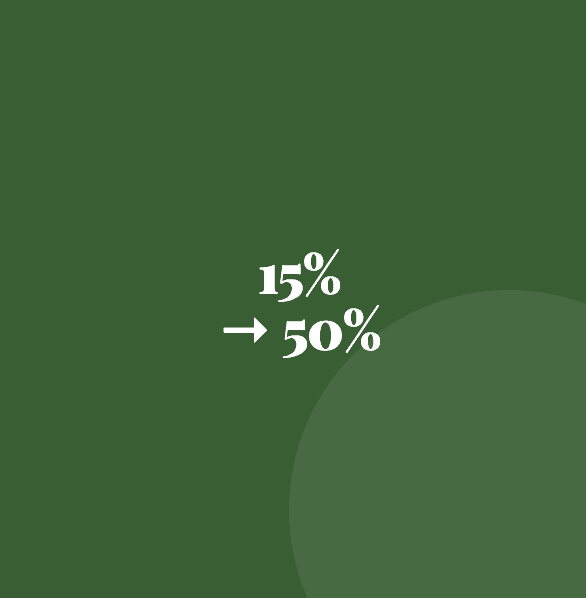
Everyone talks about the 15% reimbursement difference between physicians and nurse practitioners. On paper, it sounds like a small adjustment in the fee schedule. In reality, for NP-owned clinics operating with the same overhead and patient load, that 15% gap can quietly turn into a 50% cut in take-home earnings — a structural disadvantage that most people never see.
On paper, Medicare pays nurse practitioners 85% of the physician fee schedule.
That's a 15% haircut. It sounds manageable until you look at the margins.
Let's do non-scary math.
Insurer pays an MD-owned clinic: $100
Insurer pays an NP-owned clinic: $85
Cost to deliver the visit (rent, staff, EHR, billing, malpractice): $70
MD margin: $30
NP margin: $15
A 15% revenue difference becomes a 50% reduction in earnings.
Same patient. Same CPT code. Same overhead. Very different take-home.
And it gets more interesting.
If an NP works inside a physician-owned practice, that clinic can often bill "incident-to" at 100% of the physician rate.
If that same NP owns the practice? 85%.
In other words:
Employ an NP → full reimbursement.
Be an NP → discount applied.
This isn't about capability. It's about legacy law from the 1990s that never contemplated NP-led ownership at scale.
Fortunately, commercial insurers don't have to follow Medicare's 15% rule — and increasingly they don't. When we work with insurers on contracting, three things move the needle:
Data that demonstrates quality outcomes and low utilization
Scarcity: NPs are often the only primary care option in underserved areas
Growing panels that represent meaningful covered lives
It's outdated, inequitable, and long overdue for change. At Duet, we're working to fix it. Fair pay isn't a perk — it's the foundation for more access and better care.